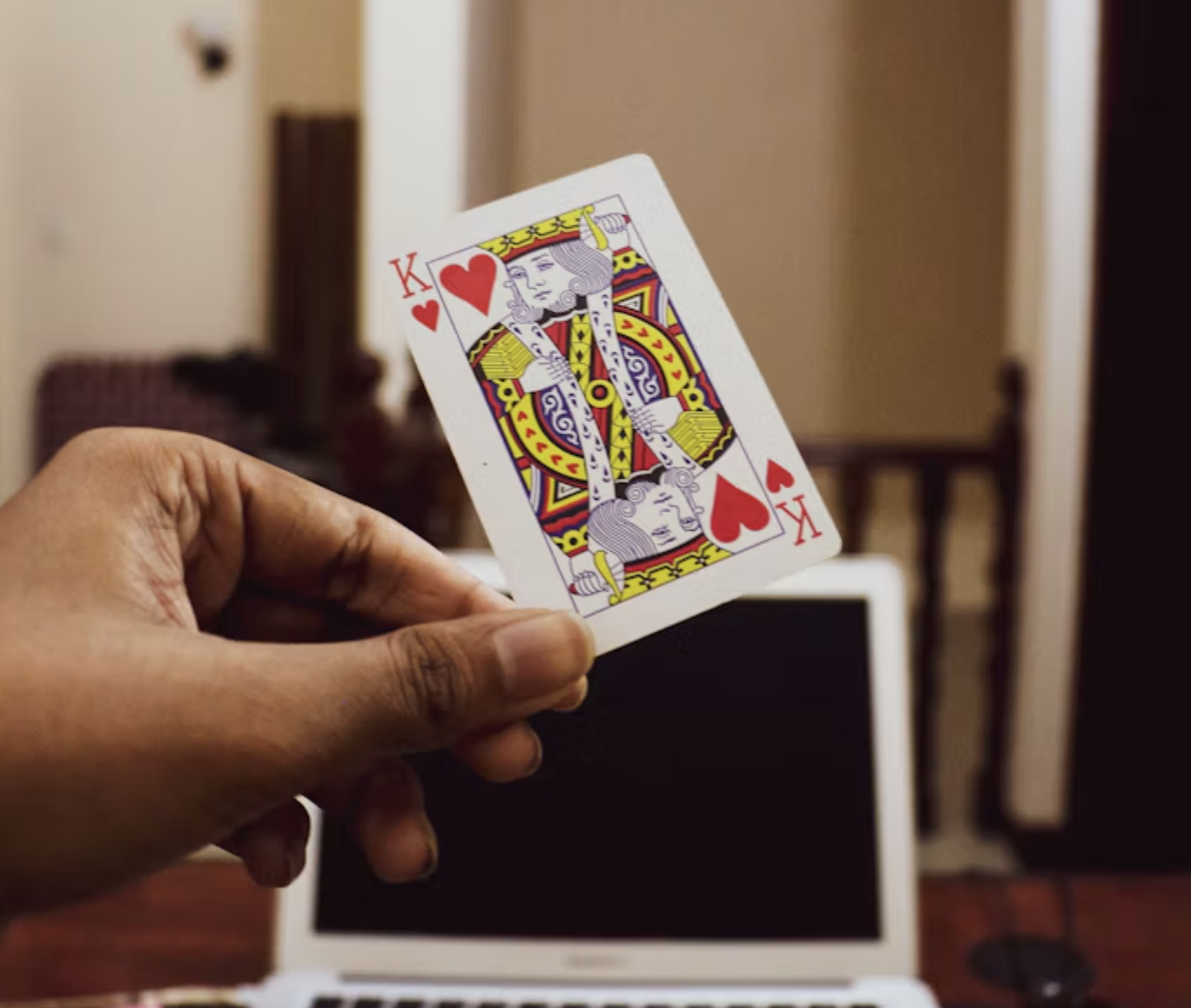
Thanks to digital gaming, you no longer need to physically gather everyone and bring them to the same table to play a beloved card game. Nevertheless, multiplayer card games are especially popular because they can replicate the social atmosphere of card playing that has always been part of it. From competitive games to unexpected alliances, these games unite people by letting them experience the same things, even when they live far away.
Whether you prefer traditional card games or modern ones, online multiplayer platforms offer plenty of opportunities to connect, communicate, and enjoy a little friendly rivalry. The most satisfying option blends familiar gameplay with interactive features, making it fun to go back for another round.
The Online Poker Features That Encourage Communication and Make the Game More Fun
One of the great things about multiplayer card games is that technology brings together the small things players do at a shared table. Online poker offers a strong example of how thoughtful platform features can bring players as close as possible to the real-life experience. Exploring online poker features shows how quick chat, custom tables, player indicators, and instant heads-up rematches can make the whole experience more engaging.
Beyond increasing the fun factor, these details also make playing more convenient. Quick chat functions make it easy to talk and send emoticons during the game, creating chances for spontaneous interaction. Custom table designs offer an aesthetic change and add a personal element that makes the game feel special. In contrast, instant head-to-head rematches let you keep a really enjoyable contest going. They combine digital interaction with familiar, card-based games, letting you enjoy the small details and nuances that make multiplayer card games social.
Why a Classic Game of Cards Is Still One of the Preferred Ways for Social Gatherings
Because card games are easy to learn, flexible, and naturally encourage communication, they have long been popular with traditional gamers. Playing digital card games with others is satisfying because it lets players enjoy familiar formats with friends and relatives, no matter where they live.
There is also a group of classic multiplayer card games that never go out of style:
- Poker: A strategy game that combines the use of your eyes, brain, and the cards.
- Solitaire: A card game that relies on pattern recognition, matching combinations, and patience.
- Hearts: A trick-taking game where planning and a little unpredictability are necessary to enjoy every round.
- Uno: A bright, colorful, and easy to master card game that generates plenty of surprises and laughter at group gatherings.
- Spades: A great game to play with family or friends. It keeps you entertained and requires a good deal of teamwork.
Different card games offer different forms of interaction, and that’s why it becomes quite an easy matter to find a particular game one wants in a group of friends.
Importance of Communication as a Fundamental Element of Multiplayer Card Games
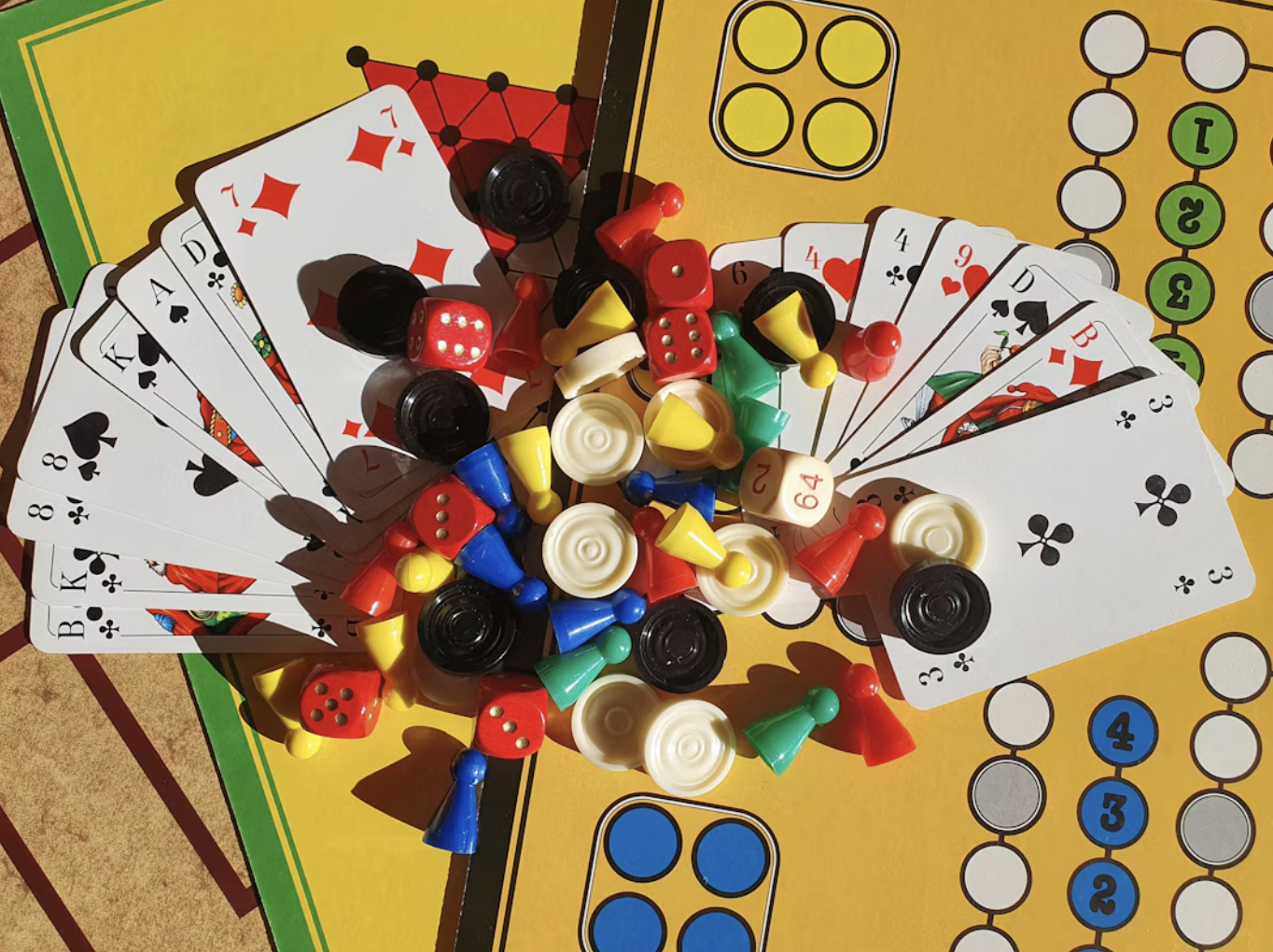
A significant reason why people love playing card games together is that so much of the action is happening around the cards. For example, a surprising move, a clever strategy, or an unexpected comeback can quickly become the highlight of a whole session.
More and more digital platforms acknowledge this by adding communication tools to gameplay. Depending on the kind of game, players may get:
- Text chat to share impressions and talk about the game.
- Emojis and reactions to show excitement without interrupting the game.
- Voice chat to talk and make sessions feel more like in-person gatherings.
- Private rooms where friends can easily set up matches.
These options turn a simple online match into a social activity and help people with different schedules stay connected through something they truly enjoy.
The Rise of Cooperative and Team-Based Card Games
There is no need for every multiplayer card game to be about individual rivalry. Working collectively can be a very attractive option for players who like the idea of a common goal.
In team games, players share information, synchronize their moves, and strategize together. Here, the thrill is different because the whole team's success depends on how well they cooperate.
Below is a list of some types you could try out:
- Partnership games where two players team up to take on another pair.
- Coop deck games where players use shared resources to develop new strategies.
- Team challenges that set goals achievable only through everyone's collective effort.
- Social deduction games that focus mostly on verbal exchanges and interpretations.
The examples above prove that multiplayer can be as much about collaboration as about competition.
Making Digital Game Nights Feel More Personal
Online sessions can feel like traditional game nights, setting them apart from just another activity.
Friends can schedule weekly matches, hold private tournaments, or play a different card game at each gathering. Adding voice calls or video chat can elevate the experience further by letting everyone share reactions and celebrate memorable moments together.
Personal touches also have their effect. Choosing favorite table designs, building group traditions, and keeping friendly rivalries can give recurring sessions their own identity.